Showing posts with label silk. Show all posts

Tuesday, April 16, 2013

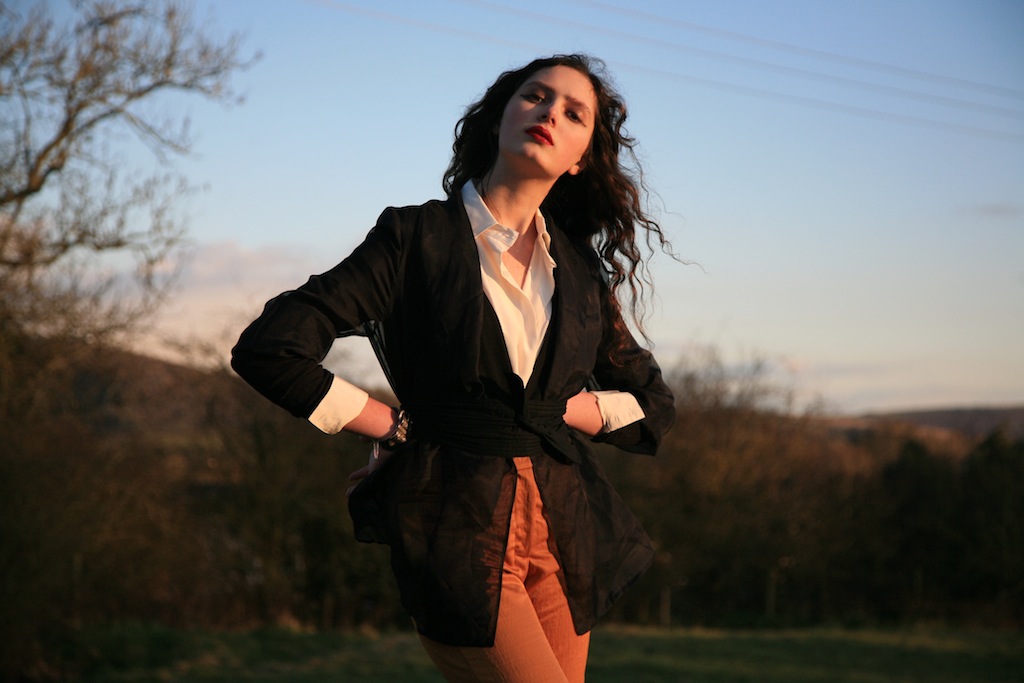
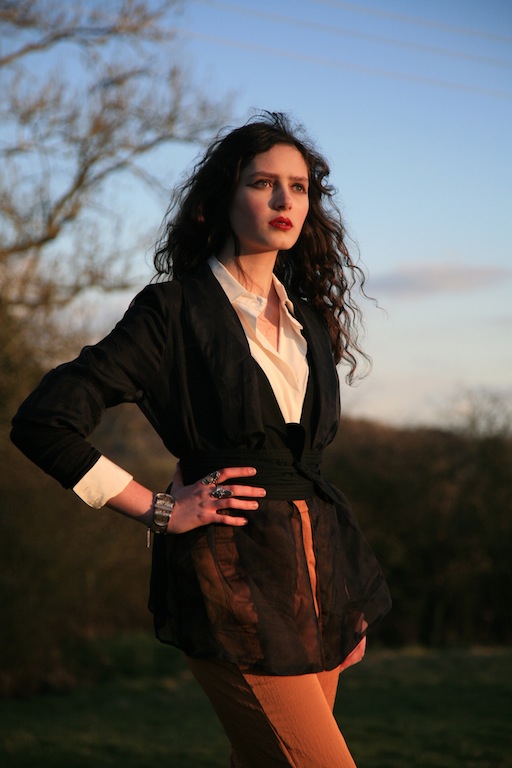
Workshop Coffee photography of Jessica Mieja and Vanessa Jackman


The resolution formed in January lasted all of eleven days. I would read all the books piled in my room before any more joined them. No more purchases until I’d taken in Tolstoy and finished The Odyssey. The promise might have been kept had I not, nearly two weeks later, found that I had nothing to read for an imminent cafĂ© visit. I get antsy without a book in my bag; I was forced to visit the nearby charity bookshop. My resolve was broken, but I was richer for it - leaving with and consequently gobbling up Jeanette Winterson’s ‘The Passion’, plus ‘A Book of English Essays.’
Winterson may be best known for ‘Oranges are Not the Only Fruit’ but her other novels are just as exhilarating. Reading ‘The Passion’ feels a little like witnessing light and images as they bounce off a mirror. It is pared back to the point that each word has weight, but is executed with a light and joyful touch, one of those texts that you know immediately will become ever better with each subsequent reading.
The essays, however, accompanied me to London and back on my last trip (the next for LFW is taking place shortly). William Hazlitt filled my tube journeys and G.K. Chesterton provided food for thought as I enjoyed breakfast at Workshop Coffee. I was privy to insights on walking, cold mornings, knowledge versus understanding, shyness, the pleasure of the dark, ambition and many other subjects. Each topic, often concerned with something taken for granted or overlooked, opened up another area to consider. Of course, having first been published in the forties (with essayists spanning from the 16ththrough to 20th Centuries) there were outdated attitudes and omissions, not least the lack of a single female essayist. No Virginia Woolf, despite her being the most likely candidate, and a certain propensity for all individuals to be treated as a ‘he’.  
However, in the introduction the editor advised all prospective readers to turn to a particular essay on page 235 – Maurice Hewlett’s ‘The Maypole and the Column.’ I did just that. Hewlett begins by discussing the rural practice of adorning a maypole with streamers and flowers, before presenting the following:
“So they transfigured the thing signified, and turned a shaven tree-trunk from a very crude emblem into a thing of happy fantasy. That will serve me for a figure of how the poet deals with his little idea, or great one; and in his more sober mood it is open to the essayist so to deal with his, supposing he have one. He must hang his pole, or concept, not with rhyme but with wise or witty talk. He must turn it about and about, not to set the ornaments jingling, or little bells ringing; rather that you may see its shapeliness enhanced, its proportions emphasized, and in all the shifting lights and shadows of its ornamentation discern it still for the notion that it is.”
In my copy, I immediately underlined this paragraph in pencil. It expresses a little of what I aim to do with my blog. Each written piece doesn’t necessarily have to fall into the categories of ‘wise’ or ‘witty’, but I do hope to expand on, unpick or highlight particular ideas. It gives me the chance to discuss themes from feminism to the way we label clothes. Each week I enjoy talking about different subjects or engaging in debate.
Today the essay as a form has been largely replaced with the column, the book review and the memoir article. It still exists, but few now label themselves as 'essayist'. It’s a job title I'd like to aspire to in the future. Though in the meantime, this blog is my maypole, each post a ribbon, adding another set of clothes, photographs and words to those already there. 

These are just a handful of photos from a shoot I did with the extremely delightful and talented Vanessa Jackman last summer in London. (These images, plus more were posted on her blog a few weeks ago). I'm sure that for many, Vanessa needs no introduction as a truly gifted photographer. She arrived early one morning with wonderful Jessica Mieja in tow, whose expert touch with hair and make-up is highly skilled. The clothes are all mine apart from the loaned white lace dress which is Alice by Temperly  from My Wardrobe. So in keeping with my musings above, I suppose that this particular post is adorned with second hand lace, silk and satin - and a smattering of pale gold sunshine. 

Sunday, April 14, 2013

myphotographyidea of Ethical Endeavours


The sustainable sector of the fashion industry has been steadily shaking off its crocheted burlap and saggy hemp robes over the years – replacing them with rather more innovative attire. From Henrietta Ludgate’s futuristic dresses to the dreamy aesthetic of Beautiful Soul, designers who value their ethics are ensuring that their clothes are just as, if not more, desirable than mainstream counterparts.
The continuing presence of the Estethica exhibition at LFW (which I covered for Oxfam), alongside the success of Livia Firth’s Green Carpet Challenge signify the importance of making ethical fashion visible. Continuing in this thread of thought is the new ‘Well Dressed’ category in this year’s Observer Ethical Awards. Taking place in collaboration with Eco-Age’s Fru-Gal Challenge (which I did here), the competition aims to unearth a spectacular outfit entirely composed from sustainable sources – whether from a charity shop, vintage market, ethical label or your own sewing machine. All you need to do is submit a photo of yourself in your ensemble. It’s being judged by Livia Firth, with the closing date on the 22nd of March, so (second hand) skates must be got on if you’re thinking of entering.

I’ve submitted the outfit featured above, which is a Katharine Hepburn inspired re-styling of my favourite Goodone jumpsuit (previously featured here and here). It was a well-timed investment which has now graced not only the cobbles at LFW, but also the pages of British Vogue - I was wearing it in the photo that accompanied my article on scoliosis. 
To enhance the masculine feel of this look I added one of my great-grandma’s silk shirts and some vintage men's Bally brogues. The second hand organza silk jacket is tied with a cummerbund - both from a charity shop, while all the jewellery is vintage: the rings once belonged to my late maternal grandma (she had them made by a local silversmith/designer from melted down former pieces of jewelry) and the silver buckle bracelet was found at a flea market.

To mark the Observer Ethical Awards, Lucy Siegle, who is a Guardian journalist, presenter, sustainable advocate and author of ‘To Die For’ (you can read my review here), very kindly agreed to answer a few of my questions... 

How do you see the ethical fashion industry evolving in the next few years?

It's evolving at pace on different fronts. It is noticeably mainstreaming - ie 'ethical' concepts are being taken up by bigger brands to reduce risk in their supply chain or to overcome problems such as a shortage in production of cotton. At the moment this mainly takes the form of brands/retailers investing in recycling schemes or producing eco/conscious collections experimenting with lower impact materials. The extent to which they put real money in to feed innovation is debatable of course but there is a definite step change among most credible large brands. If you don't do anything I think that really marks you out as a dinosaur. 
One of the things that really excites me is the scientific and practical underpinning of ethics in fashion. Broadly speaking most of us knew it was a good idea to make fashion greener/ more sustainable and we were then able to highlight its environmental and social footprint. What heartens me is the gain in technical reasoning and technical solutions to some of fashion's problems. Evidence of this is increasingly found with the way that organisations work with NGOs on the ground of producer countries, ecologists, agronomists, textile scientists etc - fashion is finally waking up to the fact that it is dependent on the natural world and needs to work with environmental professionals. We need more of this energy to work through the social problems in its supply chain. Imagine what could be achieved on labour rights and standards with some input from a wide range of professionals. 
Ultimately what I would love to see is total reform of the Buyer role, which I think is key. In common with other industries (food being the first example given the mess of the beef/horse supply chain fiasco) the relationship between some fashion brands and the producers is no longer a business relationship. It is a corrosive imbalance of power structured towards short-term profit for big brands/retailers. 

 Do you think that ethics should take precedence above aesthetics for designers, or are they of equal importance to you?

No because when ethics takes precedence nobody wants to buy the finished article because people buy fashion because they fall in love with the aesthetic. There's nothing wrong with that. To be clear that is different to buying because you are swept up by a micro trend or because you feel under pressure to conform to a particular look or style idea. 
I co-founded the Green Carpet Challenge with Livia Firth four years ago and we have always been clear that part of our goal is to match  'ethics and aesthetics'. That's our slogan/mantra. With the brands that we work with we aim for excellence in both. 

What would you suggest to those interested in sustainability who do not necessarily have the funds to buy high end ethical designers?

You're in a good position to make better choices and you're in good company. Most of us don't have funds to buy many high end pieces (of any type of designer). Focus on your style and what sort of wardrobe you want to develop. Are you interested in building a wardrobe that will last for a decade or are you looking for more transient style hits? In my book (shameless plug!) To Die For: is fast fashion wearing out the world? I talk a lot about budgets, how we use them for other consumer purchases but not fashion and how they're useful for getting more ethical bang for your fashion buck. I'm a big fan of beginning with your private wardrobe. It'll (likely) show you the devastation wreaked by fast fashion and how much you've bought in haste, and give you some clues - through a thorough audit - of where your real style lies. Once you've got this self knowledge you can experiment with different ways of owning fashion: swapping, loaning, altering, upcycling, making (by far the best way of getting to grips with the essential arguments of ethical fashion is to make something. You'll never treat fashion as disposable again).
Then enter this year's Observer Ethical Awards fashion category, which is one massive celebration of ethical personal style and its profound influence over the industry at large. 

Has the Estethica exhibition at LFW had a discernable impact on the fashion industry's perception of sustainable style?

Yes. Definitely. I think it began by sticking two fingers up to the mainstream fashion industry, then it became a safe place for designers who prioritised ethics with aesthetic and needed support to make their case and now it's become a total force in its own right. At LFW just gone Estethica looked amazing. A few of the brands - Ada Zanditon, Bottletop and Pachacuti just to pick out very few - startled me with how far their range has developed and how slick their products are. That sort of investment of ingenuity, creativity, time, skill etc stands out for me. I thought Estethica was the best bit of LFW this season, but then I didn't see much of the rest as it doesn't massively interest me!

What has been your favourite thing about the Fru-Gal challenge?

I love the basic concept. We tend to over think in the sustainable style movement (it's part of the attraction that there's a cerebral dimension to this type of fashion) so I like Fru-Gal's directive 'just take a picture of what you're wearing and send it to us'. As I've said before the sustainable style movement is not a rarified concept - it lives or dies by what people are doing in their own wardrobes. If they are taking that decision to make their aesthetic match their ethics and can send us a picture, that's kind of life affirming to a longstanding ethical fashion fan like me! I also think it's quite brave. I've been asked to do the Fru-Gal challenge a few times and put it off out of fear of being judged. But I think the time is almost here... I need to lead by example!

Huge thanks to Lucy Siegle for taking the time to offer such full responses to my questions.

You can also nominate someone else for the Observer Ethical Awards in a variety of categories, including the 'Well Dressed.' 

Swimming and Spinning photography


The following article was first written for Young Minds, so apologies if you read it back in December. I lightly edited it for re-publishing here. I felt that the photos taken of me by the multi-talented and rather gorgeous Lucy Feng (who I put in front of the lens here) last Autumn were appropriate on two counts - not only in the general energy and joy of the shots, but also in my proximity to a body of water. Everything worn is second hand. 

Dad went swimming recently – a brief, mad dash in and out of the freezing hillside pool. I crouched on the rocks above with my camera in hand trying to frame the moment, to capture him in the green cocoon of running water. I squinted through the eyepiece as he squealed. The winter stream was bitterly chilly, but I forced him to stay until I could focus and click. As he jumped out and reached for the towel I had a brief snatch of elation, of realizing quite how special these small moments still are. 

Little over a year ago my dad wasn’t dipping as much as a toe into cold water. This was unusual for a man who usually celebrated the delights of mountain streams and plunge pools regardless of season or temperature. The other three of us often watched as he slid in and out of lakes or rivers, his long legs kicking up as he laughed with the adrenaline rush. Roger Deakin’s ‘Waterlog’ was his guiding text, the outdoors his cathedral. The swimming stopped at the beginning of autumn 2011. Long walks, days out and that fascination with the beating heart of forests and hills gradually disappeared too. 

Depression was the diagnosis – the word he was given to explain why he could no longer function; the word that was offered to my brother and me to justify why our dad would be moving temporarily out of our home and into hospital; the word handed to my mum to help her understand why her husband’s eyes were empty. That word has become misappropriated and misunderstood in every day language. It is a clinical term, describing an illness that debilitates both mind and body. It is not interchangeable with sadness, despondency or any of the other more easily defined emotions. ‘Sadness’ doesn’t hang like fog in the living room for six months. It doesn’t give justice to the man whose head was full of terror, hands trembling as he ate, speech devoted only to paranoia and apologies. ‘Sadness’ wasn’t what created an impassable void between our father and the figure that sat on the sofa all day. This shape looked like dad, but had none of his curiosity or humour. It huddled reading trashy books and filling out sudokos day after day as we tried to coax him out. I imagined the real man outside somewhere, sculling up and down a river or strolling through a field at twilight, as he used to do. The outdoors scared this replacement. When we went away to visit friends he pleaded with us to let him out of the car, to leave him behind, to let him walk back home. Our house was a cave, with everything beyond the walls and windows threatening.

It’s very easy if you're on the outside looking in on depression to use blithe instructions like ‘pull yourself together’ or ‘stop moping’ or ‘use your willpower.’ But this is as impossible and insensitive as suggesting to someone with two broken legs that they should simply pull themselves together, get up, go for a run and then do something useful. The impact is as physical as it is mental and emotional – and it radiates out from the individual to affect all who surround them. 

Severe depression took all that my dad loved and lived for, and warped it. The chemical imbalance in his brain made literature unreadable and the landscape unreachable and terrifying. For him each stretch of water was no longer an embrace, but a place filled with possible dangers: broken glass and barbed wire waiting at the bottom or hidden currents that might pull us under. He didn’t need the adrenaline from jumping in the sea, his system already full of it from the constant horror and panic of ‘fight or flight’ as he sat on the sofa. He tried to fold himself away there, but couldn't curl small enough to pass unseen. We saw, and it hurt.

Depression is a wound of sorts. It can eventually heal – although the process of recovery may be one of complications and setbacks. Getting better is also a different process for everyone. The possibility of my dad’s return became clear on the afternoon he agreed to join me for a walk. Our conversation was stilted, but the steps were progress. Like a tide, the extent of the following revival varied from day to day. He moved from activity to monosyllables as moods shifted. But if the stroll was a first sign, then the revisiting of a favourite river was a decisive signal. It’s not melodramatic to say that when he was so ill, neither my mum nor I could imagine him ever swimming again. The idea was incompatible with the reality we had all coped with for months. Nonetheless, there he was – hollering with as much energy as remembered, lips grinning beneath a striped beanie hat.

His depression officially lifted in late spring of last year, after much trial and error and ongoing combinations of approaches for managing and treating it. It now strikes me that his illness left him stuck at the bottom of a silted lake. We wanted, desperately, to catch him with hooks, suddenly yank him from the depths – dredge him up in an instant. Instead it was an agonizing process of waiting for the dark liquid to drain away, drop by drop.

That liquid is now not dark, but clear. The riverbed is sandy and covered in stones. Dad made up for lost time through cycling, writing and taking me on six-mile walks. Although it is now cold, he still retains this spark – a desire to fill himself up with life and the joy of being here. Whenever he now steps into a mountain plunge-pool, with breeze ruffling leaves, it is an act of celebration. A celebration of swimming; of the human ability to suffer and recover; of the wonder to be found in days out and other activities; of the bonds between family; and of the relationship with the outdoors.
We all push forward, taking it one stroke at a time.

Popular Posts